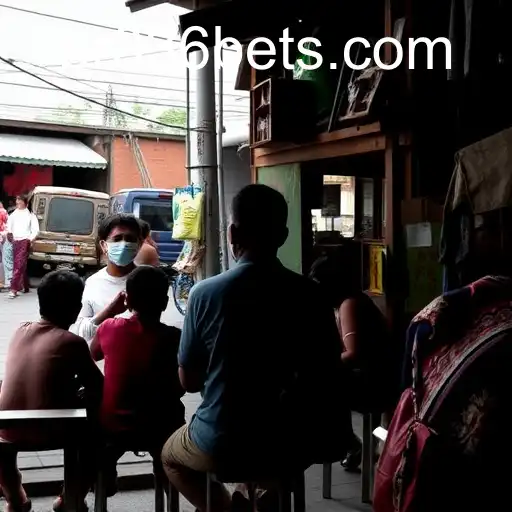
The Cultural and Social Fabric of Jueteng
Jueteng is more than just a numbers game. It is a cultural phenomenon deeply woven into the fabric of Philippine society. Despite being illegal, Jueteng continues to thrive across the country, providing not only a source of entertainment but also a means of survival for many. Understanding Jueteng requires delving into its cultural and social dimensions, as well as its persistent existence in the face of legal prohibitions.
The Mechanics of the Game: Understanding How Jueteng Works
At its core, Jueteng is a simple lottery game. Participants place bets on a combination of numbers, usually ranging from 1 to 37. These numbers are then drawn randomly, and those with matching combinations win a cash prize. Though seemingly straightforward, Jueteng operates within a complex web of bettors, cobradors (bet collectors), and cabos (supervisors), who ensure the game's fluidity and secrecy.
The Allure of Jueteng: Why It Persists
KG.BETThe appeal of Jueteng lies in its accessibility and the hope it offers for financial gain. For many Filipinos, particularly in impoverished communities, Jueteng provides a chance to improve their financial situation overnight. The minimal cost of entry makes it accessible to a broad audience, and the potential for substantial winnings keeps participants engaged.
Moreover, Jueteng is often seen as a social activity, bringing communities together and fostering a sense of camaraderie among bettors. Despite the risk of legal repercussions, the social benefits and economic necessity often outweigh the potential consequences for those involved.PGZ.BET
The Economic Impact of Jueteng
Jueteng's economic impact is significant, generating millions of pesos in revenue each year. While much of this money circulates informally, it has tangible effects on local economies. Earnings from Jueteng are often used to purchase goods and services, providing a financial boost to small businesses and vendors.
However, this informal economic activity comes with drawbacks. Due to its illegal nature, Jueteng revenues are not subject to taxation, depriving the government of potential income that could be used for public services and infrastructure. Moreover, the clandestine nature of the business means that funds are controlled by a small number of individuals, often leading to the perpetuation of economic inequality and corruption.
Jueteng and Corruption: A Troubling Connection
The relationship between Jueteng and corruption is a topic of significant concern. The illicit nature of the game requires the protection of powerful individuals, often leading to the involvement of local officials and law enforcement in its operations. Bribery and kickbacks are common, as those running Jueteng seek to secure their operations from legal interference.
This corruption extends beyond local levels, with some allegations reaching national politics. Politicians may benefit from Jueteng revenues, either directly through payments or indirectly through votes from districts where the game is supported. This creates a vicious cycle where Jueteng continues to thrive under the protection of those in power, making eradication difficult.
Efforts to Combat Jueteng: Challenges and Controversies
S08Despite numerous efforts to eliminate Jueteng, it remains a persistent challenge. Law enforcement operations often fail to make a lasting impact due to the game's widespread acceptance and the deep-rooted corruption associated with it. Furthermore, some argue that the crackdown on Jueteng does more harm than good, driving the activity further underground and making it even harder to regulate.
Alternative solutions have been proposed, such as the legalization and regulation of Jueteng as a means of controlling its impact and channeling its revenues into public coffers. However, such measures face significant opposition and raise ethical concerns regarding the endorsement of gambling by the state.
The Role of the Church and Civil Society
The Catholic Church and various civil society groups have been vocal opponents of Jueteng, citing its negative social effects and the moral implications of gambling. These groups advocate for moral reform and socio-economic initiatives to address the root causes driving individuals to partake in Jueteng.
1UUUBy focusing on education, job creation, and poverty alleviation, these organizations aim to reduce the dependency on Jueteng as a source of income and entertainment. However, these efforts require time and substantial resources, and the immediate appeal of quick cash continues to draw participants.
The Future of Jueteng
BR345The future of Jueteng in the Philippines is uncertain. As long as poverty and unemployment persist, Jueteng will likely continue to hold its allure. The complex interplay of socio-economic factors, corruption, and cultural acceptance makes it a challenging issue to address.
Breaking the cycle of Jueteng requires a multifaceted approach, involving community engagement, government intervention, and long-term socio-economic development. Whether through enforcement or innovation, the challenge remains to find a solution that respects cultural contexts while promoting legal and ethical standards.